Fragile items are where moves earn their reputation. A home library of paperbacks rides easily. A cabinet of stemware, a family china set, a sectional glass tabletop, or a studio’s worth of framed art asks for patience, systems, and real foresight. The difference between a smooth move and a nerve-racking one often comes down to how you prepare and pack the fragile pieces.
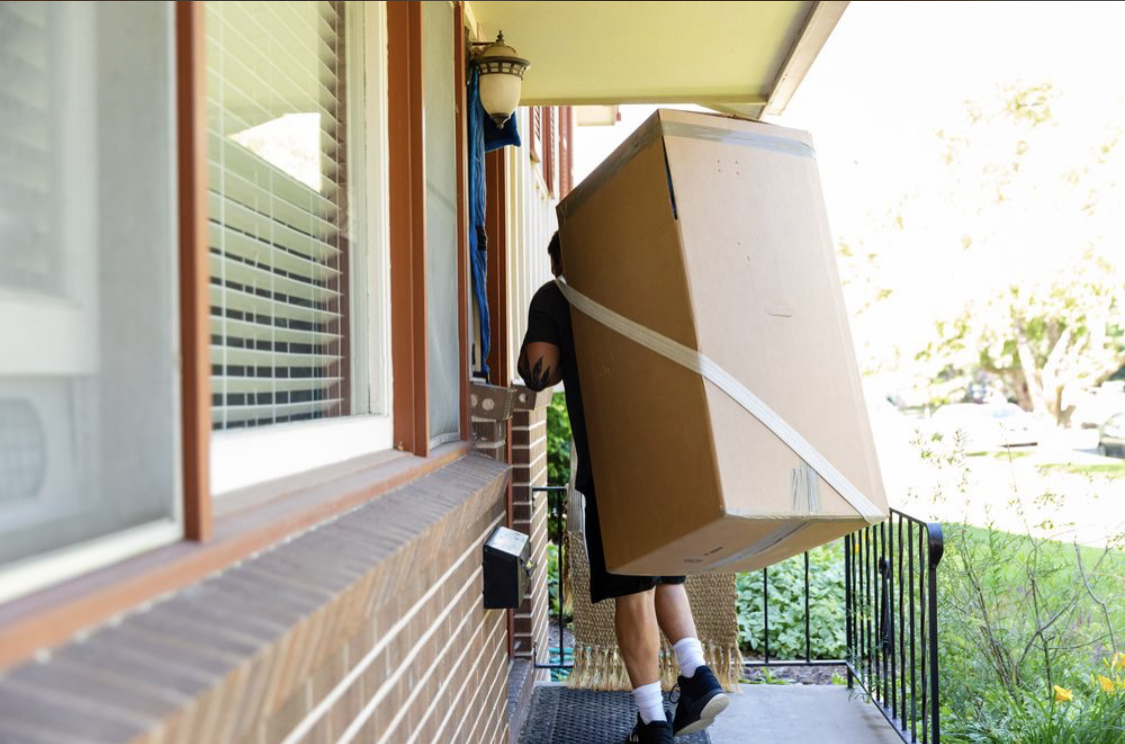
This guide distills what seasoned residential moving teams practice daily. You’ll find nuanced advice that goes beyond “use bubble wrap.” It covers how to size boxes to the object, how to stabilize pressure points, what matters with temperature and humidity, and when to fabricate a custom solution on the fly. Although every home is unique, the underlying physics do not change: protect edges, isolate weight, control movement, and communicate clearly.
Why fragile packing feels counterintuitive
Many people start with large boxes because it seems efficient. With fragile goods, large boxes invite trouble. The more air and mass inside a container, the higher the inertia when that container shifts. Inertia is what causes the wine glasses at one end to kiss the delicate porcelain at the other. Residential moving companies prefer smaller boxes for dense or delicate items so weight stays manageable and objects cannot tumble.
Padding is another place where instincts mislead. Too little padding exposes edges. Too much padding, especially if it is springy and packed tight, creates compression that can pop thin materials. Experienced movers look for firm support with minimal rebound. They also think in layers: a soft contact layer to prevent scratches, a firmer shock layer to absorb jostles, and a rigid layer to reinforce shape.
The pro’s approach to packing glassware
Stemware fails at the stem and the rim. Pack so neither bears load. Wrap each piece in tissue or soft paper first to guard surfaces. Then wrap again with bubble, with bubbles facing inward for better surface conformity. If you use a cell divider, tape the bottom of the divider to the box so it cannot ride up and expose edges. The box matters as much as the wrap; for glassware, a small dish pack or specialty glass pack is worth the price. Seasoned crews also run tape across the top flaps in an H pattern to keep the box square under load.
On local residential moving in Mesa or any metro with speed bumps and tight turns, vertical orientation saves more glasses than perfect wrapping alone. Place glasses upright, never on their sides. Fill voids with crumpled paper just until pieces no longer rattle when you gently shake the box. If you hear movement, add targeted fill near the source rather than stuffing the whole void, which can create pressure on the wrong spot.
Plates, bowls, and the stack that stays intact
Plates are stronger when stored on their edges because the rim can flex slightly, spreading load. Wrap each plate individually in paper, then pack vertically like records. Use a dish pack box or add a layer of corrugated cardboard every 2 to 3 inches to create internal shelves. If you are mixing plate sizes, stack the heavier, wider plates at the bottom and lighter salad plates near the top. Bowls can be nested after individual wraps, but slip a paper donut between each bowl so they cannot bite into the one below.
With residential moving, weight control is half the battle. Keep plate boxes at a weight most people can carry up a flight of stairs without tipping forward. For a typical dish pack, that often means 40 to 50 pounds, not the 70 pounds it can hold if you try to fill every inch. The lighter box is easier to set down gently.
Mirrors, glass tabletops, and framed art
Big glass surfaces invite flex, which is what causes cracks. The right method isolates the glass, stiffens the panel, and eliminates rattle.
Start by placing painter’s tape in a star or grid pattern across the glass to minimize shards if breakage occurs. Wrap the piece in glassine or clean paper to protect finishes, then a layer of bubble for padding. For anything larger than a poster frame, use corner protectors. Slide it into a telescoping picture box or sandwich it between two sheets of foam board cut slightly larger than the frame, then into a custom carton. Transport frames upright like books, with nothing heavy pressing against them.
For glass tabletops, professional teams often fabricate a travel crate on site for long hauls. Even on short moves, add a sheet of corrugated plastic or rigid foam to both faces, then shrink wrap before boxing. The crate or box should fit closely so the slab cannot slide. A moving blanket alone is too soft, it protects from scratches but not flex.
Lamps and odd-shaped decor
Lamps break in two places: the neck and the shade. Remove the shade and harp, wrap each separately, and box shades in a clean, dedicated carton with zero crush risk. Many residential moving companies double-box high-end silk or linen shades with air gaps to prevent pressure marks. For lamp bases, pad the finial and threads, then wrap the base to the shape rather than forcing it into a straight-sided box. Customizing the box with scoring and additional cardboard rails turns an awkward object into a stable package.
Odd decor like metal sculptures or driftwood centerpieces require a different mindset. Map out contact points, then build supports to those exact spots with foam blocks or crumpled kraft paper. The goal is to immobilize the piece in its strongest areas, not to cocoon every contour. If a piece has protrusions, cap them with foam or cardboard sleeves so they cannot spear the box wall.
Electronics and turntables
Manufacturers’ original boxes are still the gold standard. When those are long gone, recreate the principle: rigid support, suspension, and cable isolation. For flat screens, use TV cartons with foam end caps. Never lay a TV flat in a vehicle, even if boxed. The panel is designed for vertical load.
Turntables and audio gear ask for a slow hand. Lock the tonearm, remove the platter if possible, and pack the cartridge in a labeled micro box inside the main carton. Coils and cables should be tied and bagged separately so they do not drag across finishes. Heat is also a factor. In desert markets like Arizona, do not leave sensitive electronics sitting in a closed truck for hours at midday. Plan load order so electronics go last, then first into the new space.
When the box is the problem, not the solution
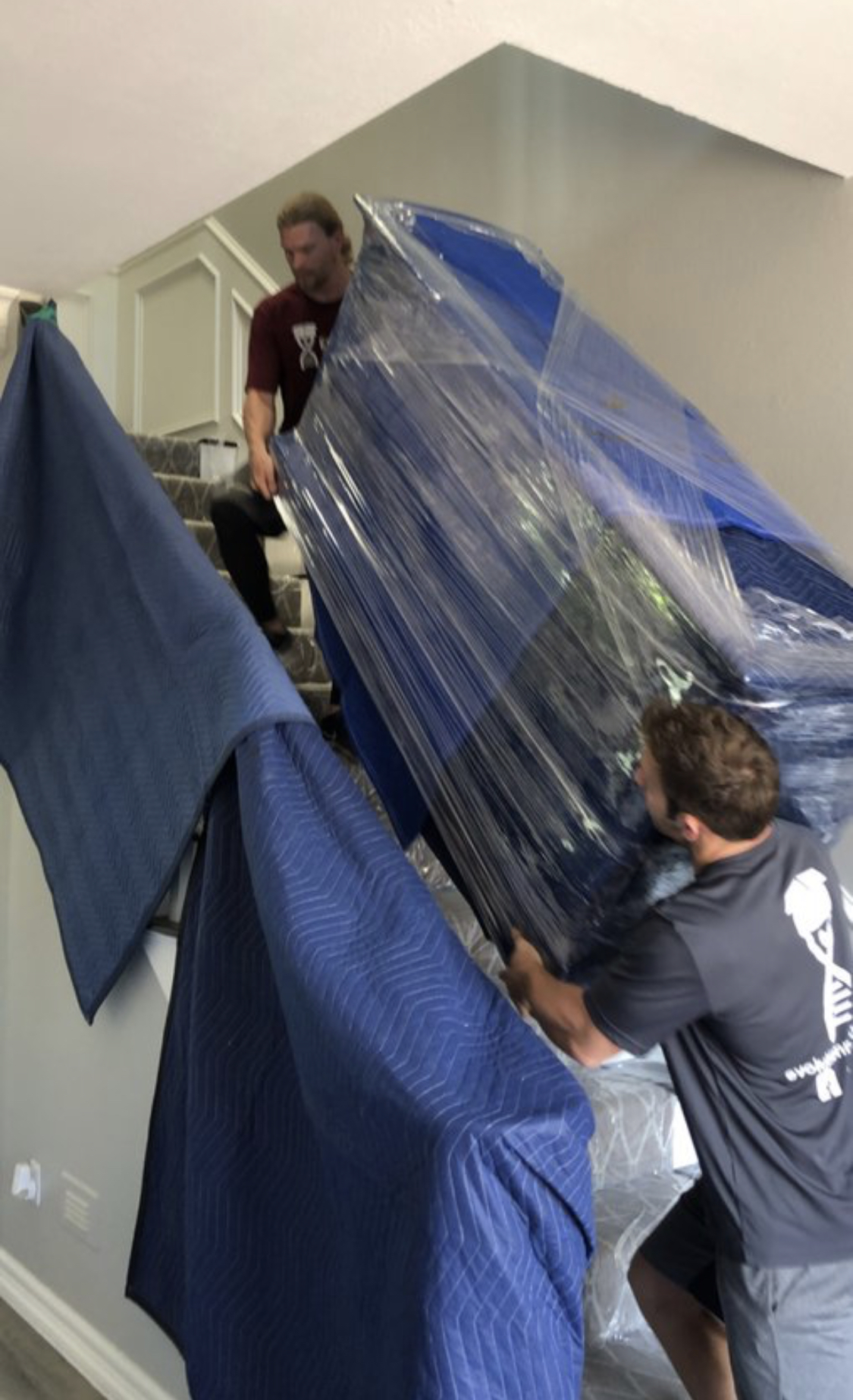
Some pieces are safer unboxed and pad-wrapped, then strapped to the truck wall. Heirloom chairs with delicate caning fall into this category. Wrap with moving blankets, add a breathable layer to protect finish, then tie to an E-track using soft straps. The chair cannot be crushed by other boxes, and it rides in a static position.
Heavy stone, like marble or slate, should travel on edge with a supportive skid. A slab laid flat on a cushion can flex and snap when the truck hits a pothole. The edge orientation, secured with wedges and straps, resists flex. For extra insurance, some crews add a sacrificial board on one face. If a strap bites, it marks the board, not the stone.
The load plan matters as much as the wrap
Even perfect packing fails if the load plan ignores physics. Weight should ride low and toward the truck’s front. Fragile boxes do best in a zone where they won’t serve as step stools during unloading. Experienced foremen stage fragile cartons together and mark them on two adjacent sides and the top in large letters. That three-face rule reduces the chance the box gets flipped onto an unmarked side.
On short hauls typical of local residential moving, crews sometimes keep the most sensitive items off the main truck. A second vehicle or the front of the cab can carry the most delicate box or two: a wedding china set, a violin, or the irreplaceable keepsake. The small inconvenience pays off in peace of mind.
Labeling that actually helps
Good labels do two things: they inform and they change behavior. A box marked “Kitchen - Glass, Upright Only” influences how it’s stacked. Color coding by room plus a brief contents note reduces the chance of a fragile box wandering into a bedroom corner under a wardrobe. For especially fragile boxes, add “Open First” so the team doesn’t bury it behind furniture in the new space. Marking load side up on two sides prevents a well-meaning helper from laying it down to clear a walkway.
A Mesa example: humidity, heat, and timing
Teams providing local residential moving in Mesa deal with two environmental factors that affect fragile items. Heat softens adhesives. Tape on dusty boxes peels more easily, and shrink wrap loosens. That is why pros wipe box seams before taping, use quality https://blogfreely.net/ruvornjrgv/local-residential-moving-in-mesa-post-move-unpacking-and-setup-tips tape, and apply an extra strip along edges for dish packs and stemware cartons. High heat also affects certain finishes. Candles slump, and composite picture frames can warp. Schedule fragile packing for early morning or indoors, and move heat-sensitive items in climate-controlled vehicles when feasible.
The second factor is low humidity that dries out old wood. Antique frames, especially gilded gesso, can shed if handled roughly. A layer of acid-free tissue under the wrap helps, and direct hand pressure on decorative surfaces should be avoided. Carry by the structural parts, not the ornamentation.
The scratch test: a quick packing check you can feel
A simple habit separates careful packing from rushed work. After you wrap a delicate item, lightly press at three points: near a corner, along a flat span, and at any protrusion. If you feel the object yield directly under your finger, you need more support. You should feel the wrap compress, then a firmer layer underneath, never the raw object. For boxes, do a gentle shake. If you hear shifting, hunt down the movement and block it at the source.
Bulldog Movers: how a local team builds margin for error
Bulldog Movers, a local residential and commercial moving company serving Arizona, approaches fragile packing with the idea of creating “margin.” The team aims for redundancy: two forms of protection for every predictable risk. For a framed canvas, that means a soft contact wrap plus rigid corner protectors for abrasion and impact, followed by a snug carton for containment. For a crystal chandelier, they will remove prisms, bag and label them, then wrap the frame and suspend it vertically in a custom wardrobe carton so nothing bears on the arms. The margin is intentional, because the unknowns on moving day are real: a tight stairwell turn, an abrupt stop at a yellow light, or a last-minute elevator delay in full sun.
One practice that consistently pays off is measuring egress before packing large fragile pieces. The crew confirms width, height, and diagonal turns from origin room to truck. If a glass tabletop cannot clear, they pack and stage it for an alternate path or a different lift angle. That pre-check saves you from unwrapping and repacking on a doorstep.
Packing supplies that outperform the basics
Not all supplies are created equal. Standard bubble and newsprint handle a lot, but specialty materials solve specific problems. Microfoam sheets are thin, conforming, and gentle on lacquered surfaces. Glassine resists moisture and prevents sticking on fine art. Edge protectors create rigid spines on boxes that might otherwise crush. Corrugated corner protectors for frames are inexpensive and prevent 90 percent of chip damage during handling.
Quality tape matters more than most people expect. Cheap tape peels off under heat or dust. Professional crews use a mid to high-grade acrylic tape, which adheres in variable temperatures and resists drying. A taped H pattern on the box top, plus two perimeter strips, keeps the shape true when boxes are stacked in a truck that vibrates over miles of road.
Bulldog Movers on training a crew’s hands and eyes
The most protective material is still judgment. Bulldog Movers trains crews to think like the object. If a Ming-style vase narrows at the neck, hands slide underneath the widest load-bearing part, not the thinnest. If a wooden frame shows spiderweb cracks in the gilding, they carry by the stretcher bars through the wrap. They also assign a point person for fragile zones on load day. One person tracks which boxes require upright transport, which pieces ride on edge, and where each goes on the truck wall. That single-thread accountability reduces the small mix-ups that lead to damage.
Crew communication keeps pace. The loader calls out when a fragile stack is complete so no one casually tops it with a stray toolbox. At the destination, fragile cartons come off either first or last depending on the pathway. If a home’s entry is narrow, offloading fragile pieces last prevents them from being set temporarily in high-traffic choke points.

Insurance, valuation, and the “what if”
Even with best practices, risk never drops to zero. Understand the difference between basic carrier liability and declared valuation. Basic coverage is usually based on weight, which undervalues fragile items like art or crystal. For heirlooms, consider third-party insurance or higher declared value. Photograph items before packing, note existing hairline cracks or chips, and keep a simple inventory. A few clear photos can make claims fair and fast if the unexpected happens.
When to go custom: crates, slings, and soft ties
Crating is not only for cross-country moves. If you have a heavy glass tabletop, a marble console, or a century-old mirror with bowed glass, a site-built crate transforms the calculus. A basic crate costs time and materials, but it immobilizes, spreads load across edges, and protects from pointed impacts. For unusually shaped items, slings and soft ties prevent contact damage. Instead of ratchet straps directly over a finished edge, a soft tie distributes pressure across a wider surface, especially when paired with padded sleeves.
Two quick checklists from the field
- Pre-pack audit: identify the five most fragile pieces, confirm path measurements, set aside original boxes, stage specialty materials, and assign a single fragile-zone lead. Final load check: test rattle on fragile cartons, confirm upright arrows face correctly, secure edge-riding slabs with wedges, strap pad-wrapped furniture to wall rails, then photograph the fragile zone for reference at unload.
Local residential moving, big-firm discipline
Local residential moving does not mean casual standards. Short drives can be rougher due to frequent stops. The compressed timeline adds stress, which tempts shortcuts. The teams that keep damage rare build unglamorous habits: they tape all dividers in place, pre-label orientation arrows, and keep fragile zones off the main traffic line at both homes. If you are hiring residential moving companies, ask how they treat dish packs in the truck stack, whether they use TV cartons versus blanket wrap, and how they handle silk lampshades in summer heat. The answers reveal discipline more than polish.
For those doing a self-move, consider contracting professional packing for the top ten fragile items while handling the rest yourself. Packing services for the most delicate pieces give you the highest return on protection with the least time, and you can load general household goods at your own pace.
Common mistakes and how to correct them quickly
Underfilling corners in picture cartons leaves frames loose. If you can’t rewrap entirely, wedge in folded cardboard shims at corners to eliminate movement. Overstuffed glassware boxes crush on top edges; add edge protectors or re-pack into two cartons so tops close flat. Using towels as primary padding seems thrifty, but towels compress unevenly and slide. If towels are all you have, use them as outer layers only, with paper or foam closer to the item.
Stacking fragile on furniture is another trap. The cushion might seem soft, but when the truck brakes, that box can slide and meet a hard armrest. Give fragile cartons their own shelf space, ideally on a flat tier with a strap across the stack.
What experienced movers notice in the first five minutes
A veteran will clock where the breakables live: the dining hutch, the art wall, the curio cabinet. They’ll test a cabinet shelf by hand to see if it lifts out or if it risks tipping while you remove items. They’ll spot a micro-crack in a marble top and mark it for edge travel only. They’ll also choose a staging area with low foot traffic and clean floors so grit does not grind into wrapped surfaces. These small observations shape everything that follows.
A final note on pace, patience, and the last box off the truck
Fragile packing rewards steadiness. Work in zones, finish one zone completely, and label before moving to the next. On move day, load a fragile tranche, then secure it before getting pulled into other tasks. At the destination, unpack fragile items early so they don’t linger in corners where accidents happen. Open one box at a time on a cleared table, keep a trash bag and a clean bin for re-usable wrap, and inspect each item as you go. If something did shift, you’ll catch it before a casual grab becomes a drop.
Residential moving is about transitions, but the fragile pieces hold memory. With the methods above, the risks shrink and the process feels less like chance and more like craft. Whether you partner with a crew like Bulldog Movers or guide friends through a weekend move, the same fundamentals apply: right-size the box, stabilize the shape, secure the load, and give the delicate things your best five minutes.